When GPS Fails: Arda Atomics Develops Quantum Sensor for the Next Generation of European Air Defense
SPRIND funds technology for GPS-independent alignment of radar and defense systems – Collaboration with sensor and defense specialist HENSOLDT
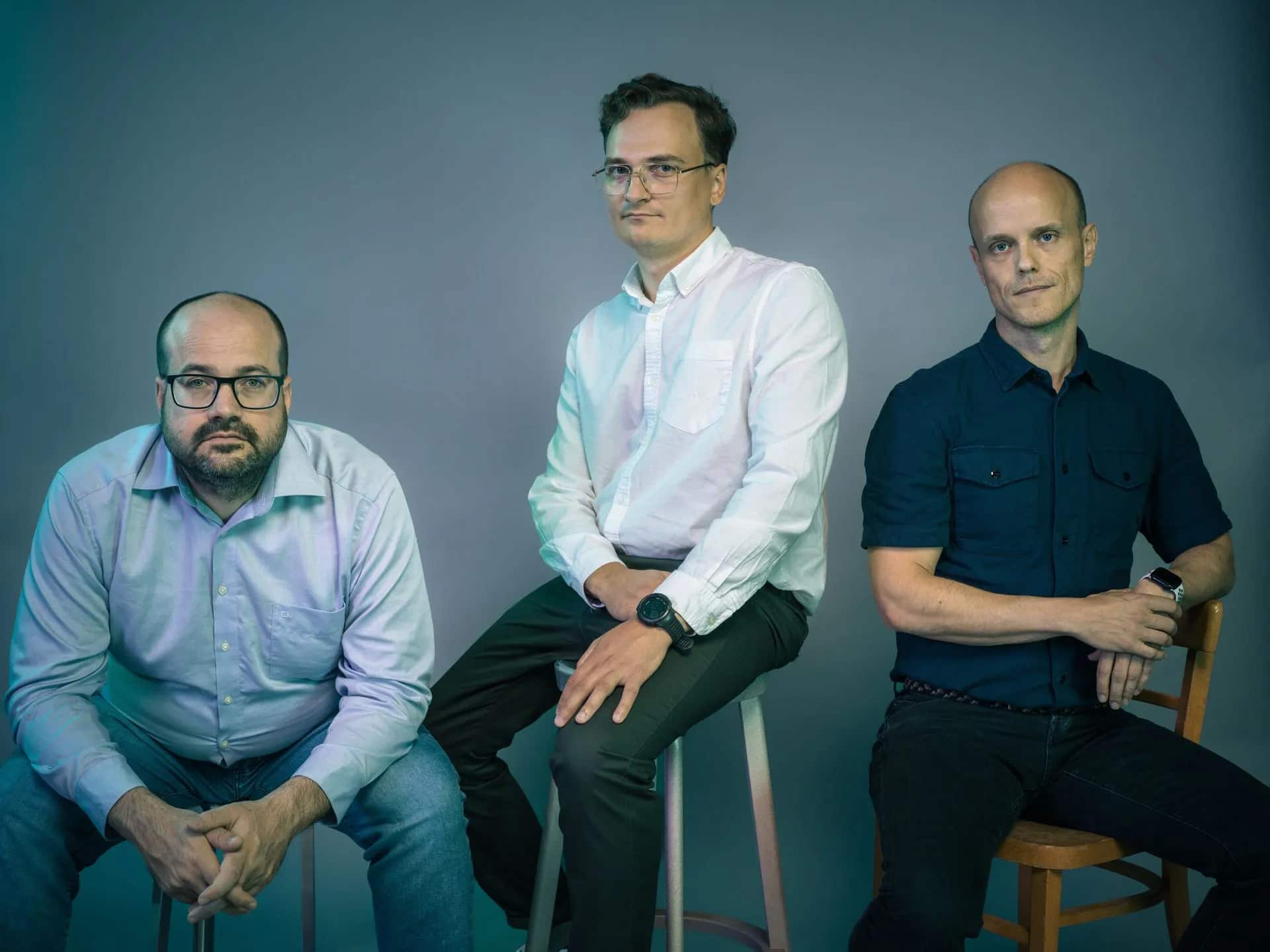
Modern air defense starts with a basic question: Where is north? A radar can only reliably detect and track aerial objects such as drones, and correctly classify threats, if it knows its exact position and orientation.
But what happens when GPS signals are jammed, spoofed or unavailable? The deep-tech company Arda Atomics is working on exactly this problem. As part of the “Quantum-Driven Intelligence” challenge run by the Federal Agency for Breakthrough Innovation (SPRIND), the TRUMPF subsidiary is developing a new kind of quantum gyroscope.
It is designed to give defense and sensor systems precise orientation without satellite signals.
Defense and security systems increasingly need to orient themselves without relying on external navigation signals. Our goal is to bring quantum technology out of the lab and into real-world applications, making radar and defense systems more resilient
says Jan Thiele, Managing Director of Arda Atomics.
Orientation without GPS
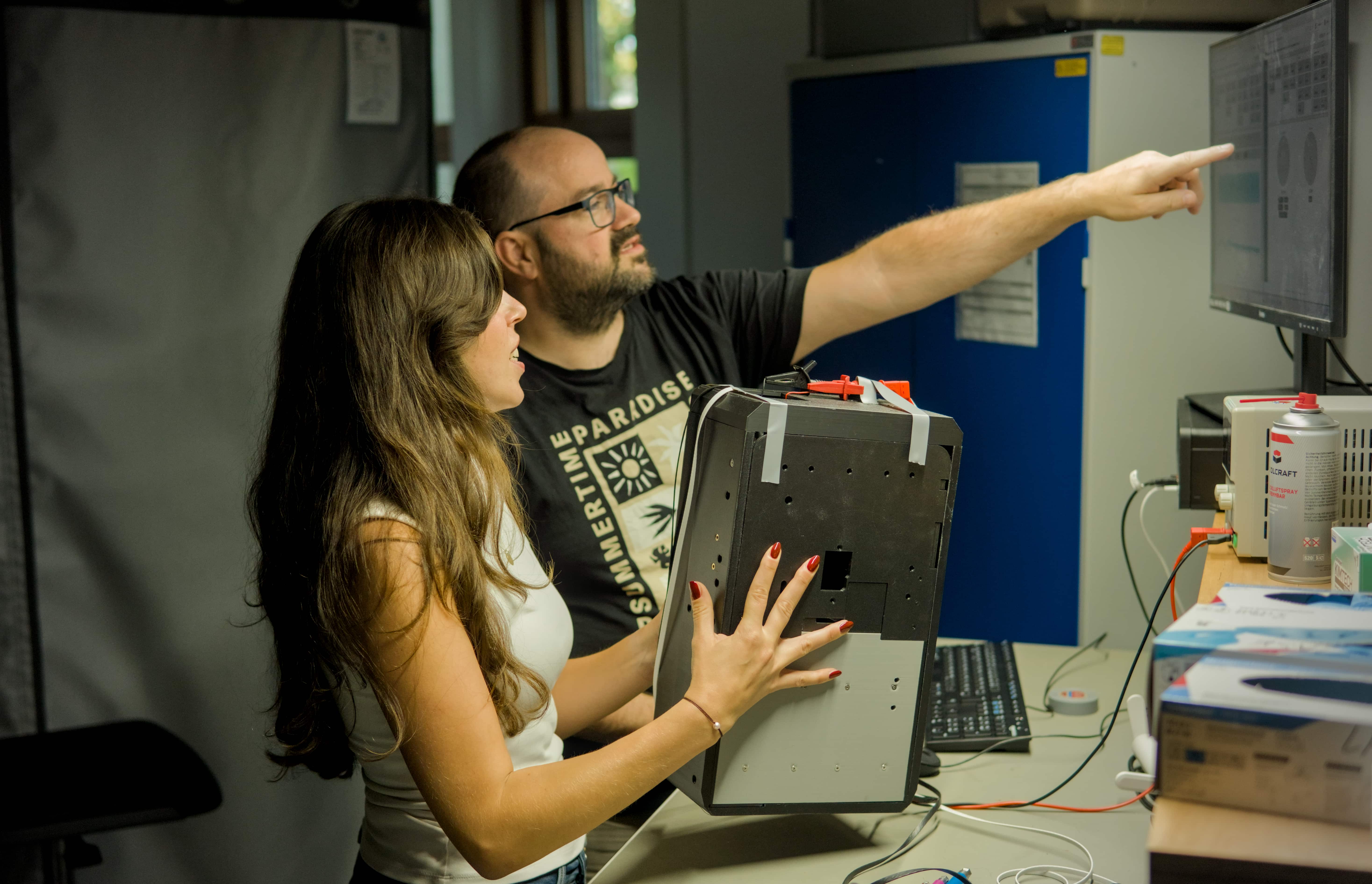
Today, many radar and sensor systems find north using satellite navigation or conventional inertial sensors. Both methods have drawbacks. Electronic warfare can jam or spoof GPS. Inertial navigation systems, in turn, lose accuracy over time or need complex calibration.
Arda Atomics is therefore taking a different approach. The company is developing a Nuclear Magnetic Resonance Gyroscope (NMRG) based on quantum physical effects. The sensor measures the Earth’s rotation and uses it to determine true north, so the Earth itself becomes the reference.
With this technology, armed forces will be able to align radar and defense systems reliably even when external navigation signals such as GPS are unavailable.
Faster operational readiness
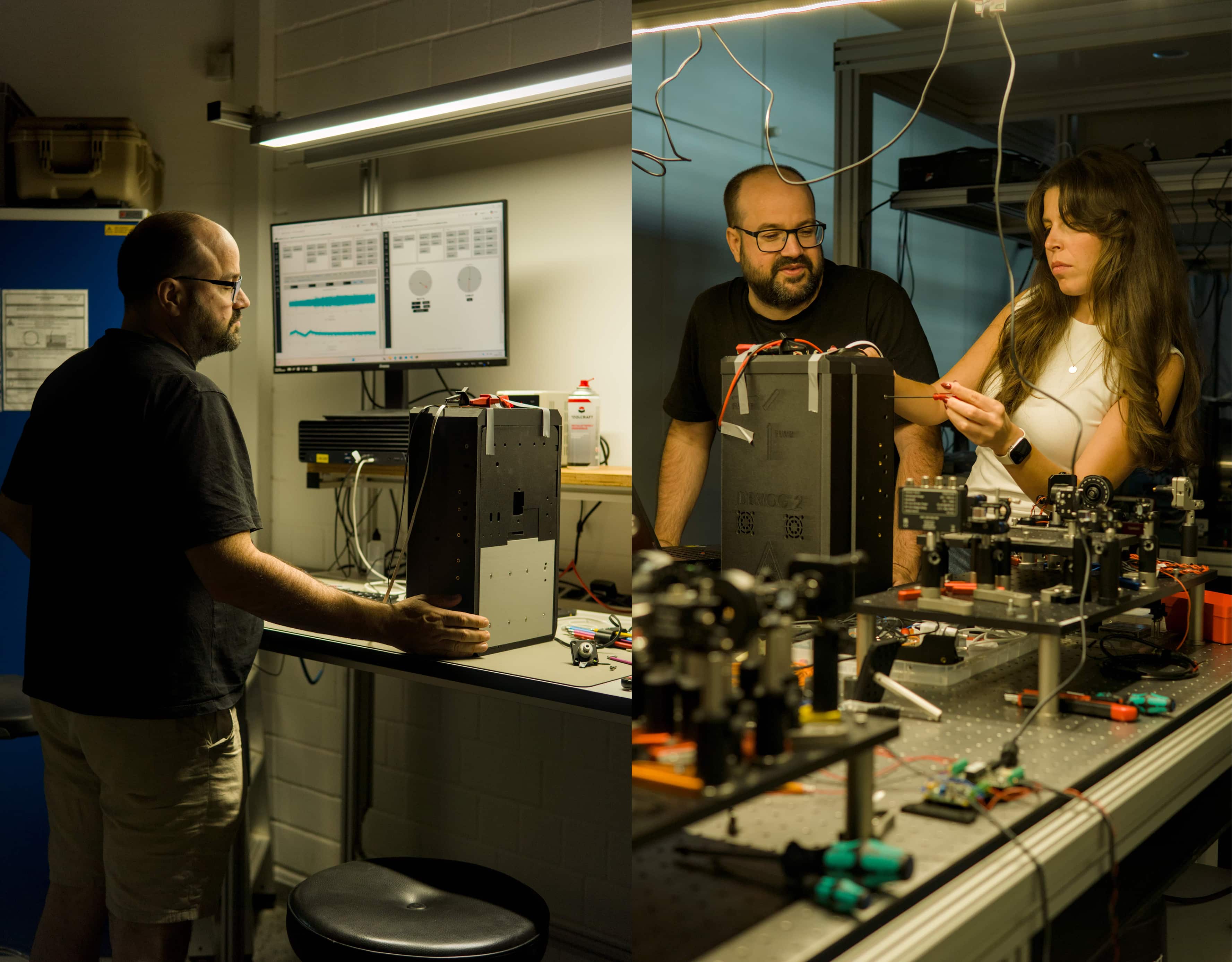
Besides independence from GPS, the project aims to greatly reduce the time it takes radar and sensor systems to become operational.
Today, precisely aligning a system to north can take several minutes. In the future, a quantum gyroscope could speed this up considerably. For armed forces, this would mean mobile systems are ready for action sooner and can detect threats earlier.
This capability is becoming more important, especially given current geopolitical developments. The war in Ukraine and other conflicts have shown how strongly modern armed forces are affected by electronic warfare and by how quickly navigation signals are available
says Thiele.
Collaboration with HENSOLDT
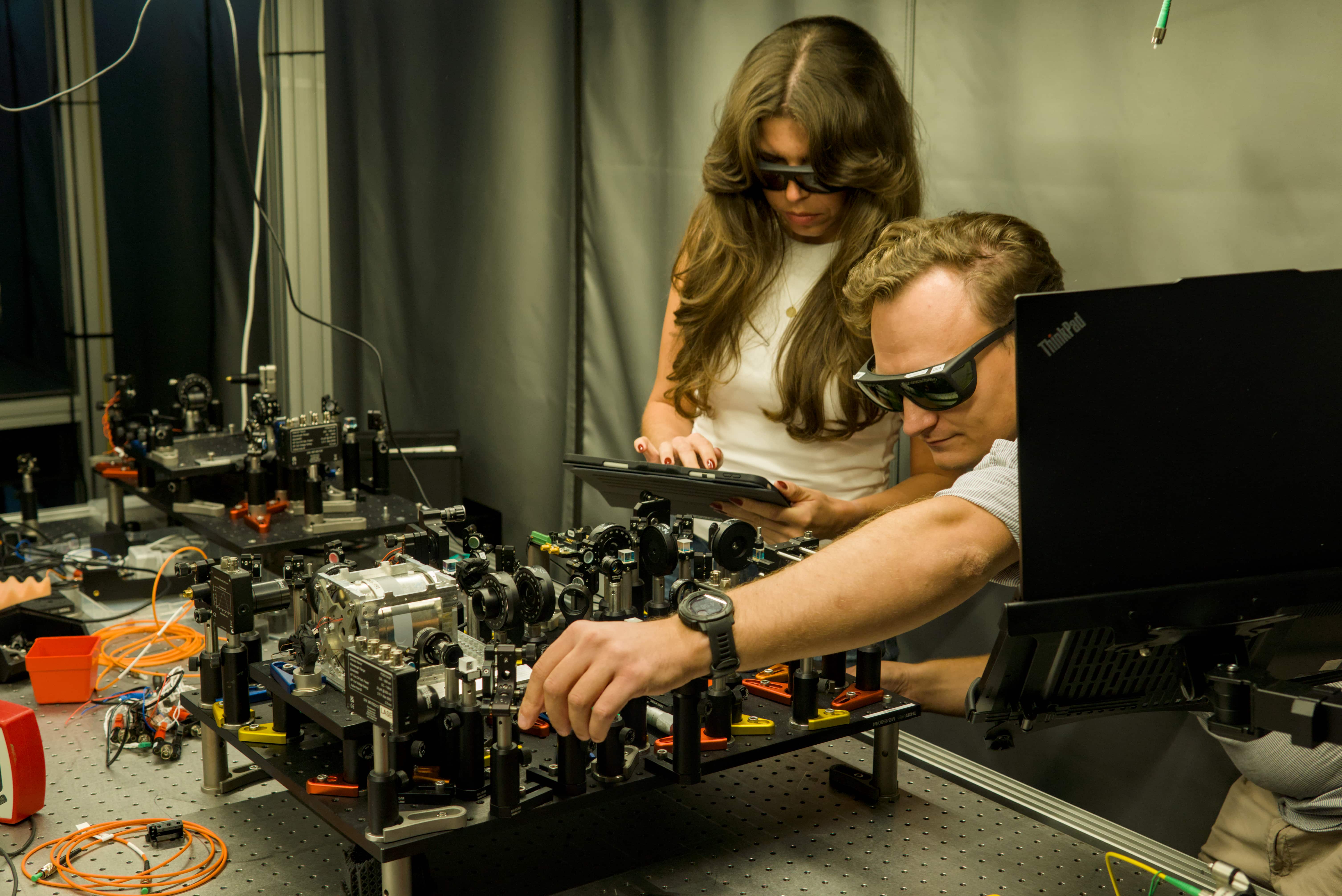
As part of the SPRIND project, Arda Atomics and sensor and defense specialist HENSOLDT are working out what performance a quantum gyroscope must reach to add value over today’s solutions.
To do this, the partners are analyzing real-world deployment scenarios for modern radar and defense systems. The aim is to build the requirements of future users into the technology early on and to assess its potential for specific applications.
In the long term, Arda Atomics sees uses beyond air defense. Quantum sensors could play an important role wherever highly precise orientation without GPS is needed, for example in aerospace.